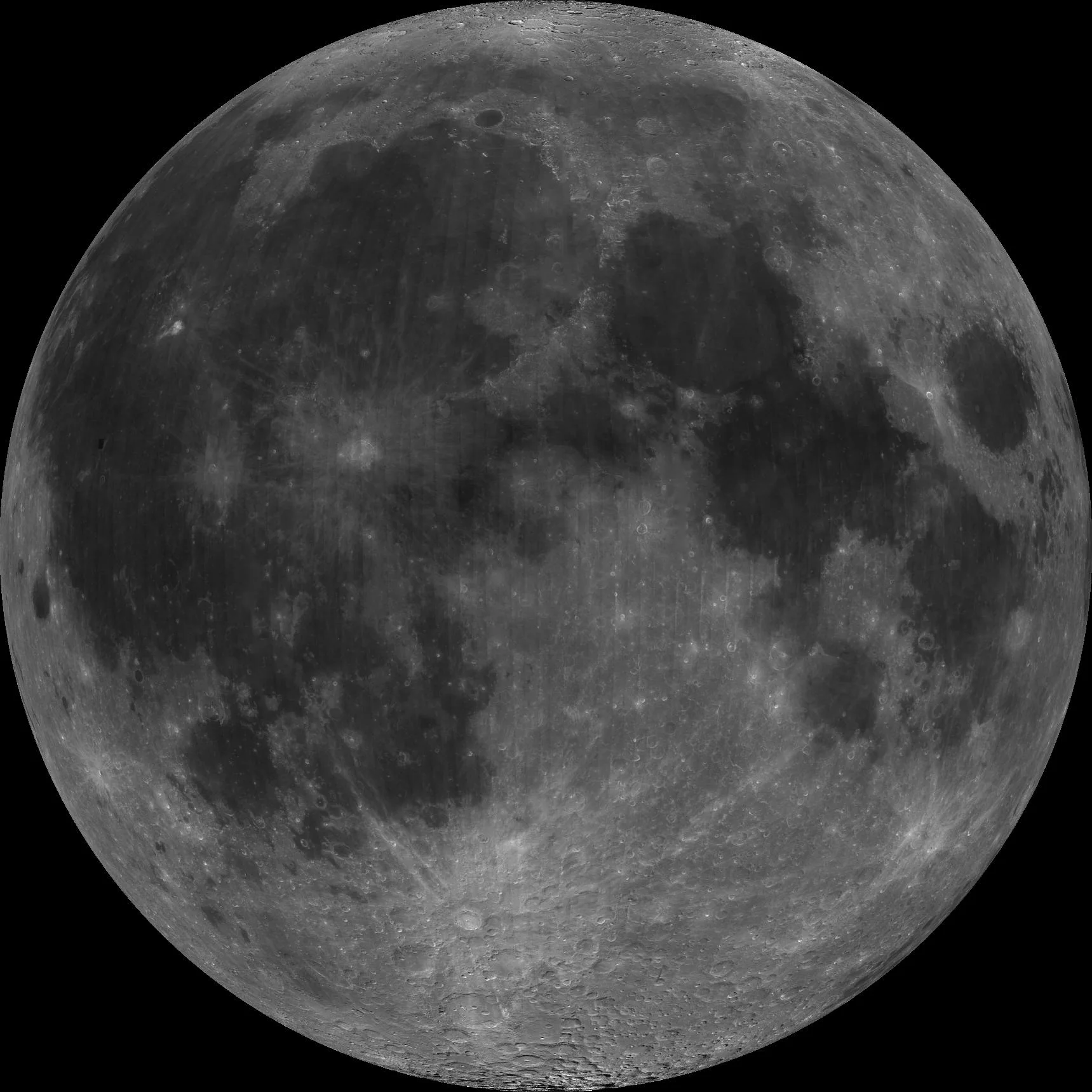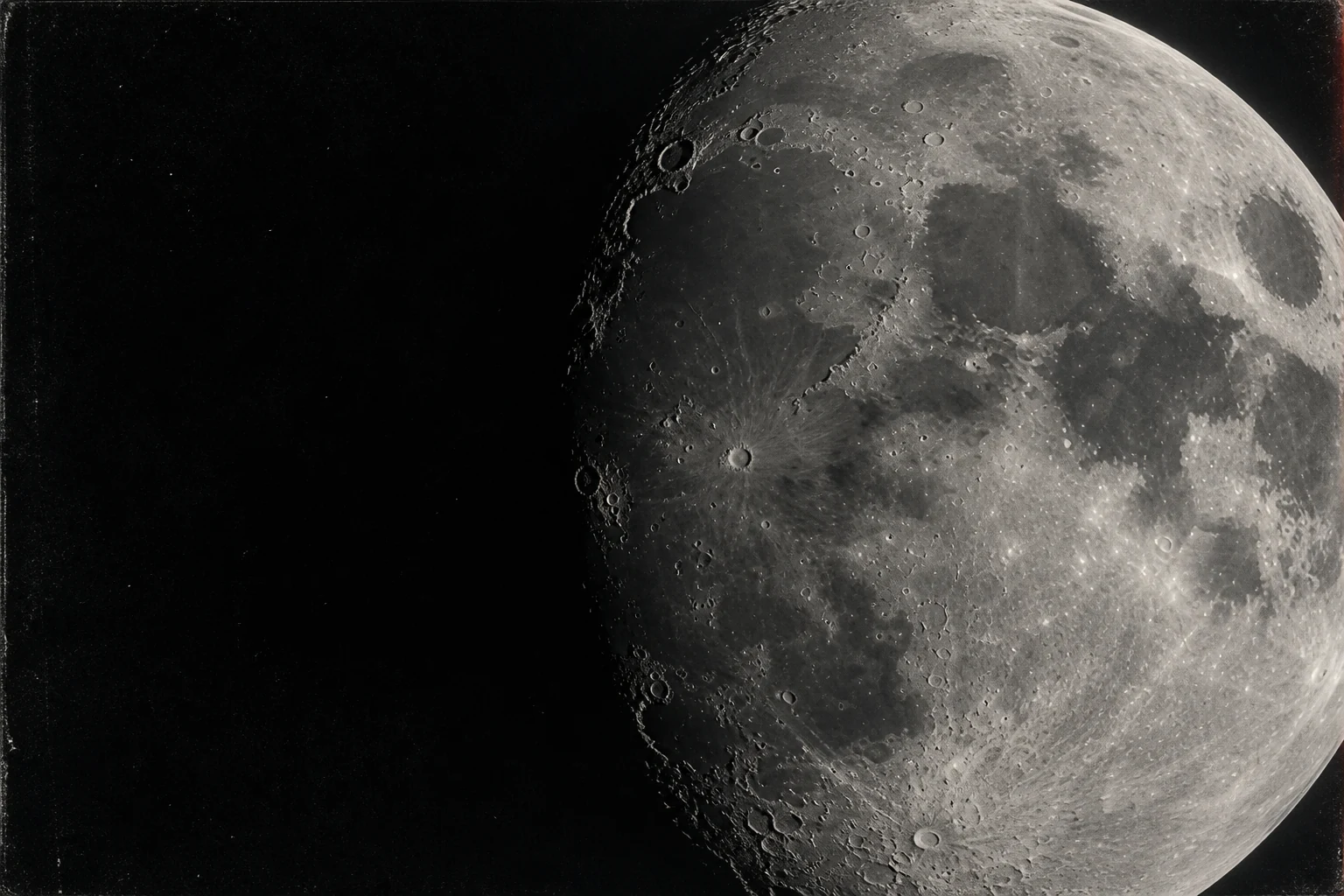
A static lunar photograph can hide a hundred imagined secrets. A flash feels different. Something happened. For a fraction of a second, the landscape stopped being background and became an event. If you're hunting signs of activity, this is where the story gets its pulse.
A repeated, localized light with independent simultaneous confirmation would establish something worth explaining. To argue for artificial activity, its behaviour must also distinguish it from impacts and recording artefacts.
The argument being tested—not a claim that the theory has been verified.A brief light in a very large dark.
The base theory gets a natural opening here: a light seems like an action, not a shape you can imagine in a crater. But the first question is whether it happened at the Moon at all. A single recording contains a sensor, an optical path and a world of possible interruptions.
NASA's impact-monitoring work uses simultaneous observations to help reject false flashes. Borrow the discipline without borrowing a verdict. Matched independent recordings would upgrade a candidate event. They would not automatically tell you whether the cause was a meteor or machinery.
Then look for a pattern with coordinates and timestamps, not a montage. Repetition can be interesting; selection can manufacture repetition. Keep the uneventful nights as part of the record. A light that truly behaves like a device should be able to do something more specific than appear in the best clip.
The strange part can be real.
NASA's impact-monitoring programme observes brief flashes associated with meteoroid impacts. That makes 'nothing ever changes on the Moon' the wrong starting position.
It does not validate every reported glow, line or bright point. A sensor artifact and a physical flash can look similarly exciting in a single compressed frame.
Two eyes are better than one pixel.
The programme uses simultaneous observing to help distinguish real events from false detections. Our takeaway is methodological: independent instruments and preserved timing improve the case.
LRO's before-and-after crater observations provide another kind of evidence for surface change. A claimed link between a specific flash and a new crater would require matching location and timing, not just combining two attractive examples.
Brief lunar flashes can have physical causes. A light in one video still needs validation before it becomes a lunar event.
A TEST, NOT A DARE.
Preserve the full sequence, lunar coordinates and timestamp. Seek a simultaneous second recording; report unconfirmed candidates as candidates.
These are suggested exercises, not experiments we claim to have performed.
KEEP A PRIVATE FIELD NOTE ↗Don't throw away the flash. Don't build the base around it until another camera sees the same address light up.
THE RECEIPTS / LINKS REVIEWED 25 SEP 2026
THE SOURCE SHELF.
Read the record, including its limits. A link to a claim documents what somebody says; it does not endorse it. Videos and social accounts open on their own sites—no embedded trackers or autoplay.
- Research / NASA Meteoroid Environment OfficeAbout lunar impact monitoring ↗
Why simultaneous observations help reject false flashes.
- Primary record / NASA / LRONew craters on the Moon ↗
Before-and-after orbital observations of new impacts.
Open the original source-led case file for the evidence ledger, calculations and observation tools.
OPEN THE FIELD GUIDE ↗