The lunar claim archive
Open the files.
Each investigation preserves the interesting observation, identifies the strongest test, and marks the point where evidence ends and inference begins.
- Open files
- 08
- In research
- 00
- Method
- Public
Available now
Follow a complete trail.
Open the source record, inspect the mechanism, and leave knowing exactly what the test did and did not settle.
01ObservableFile open
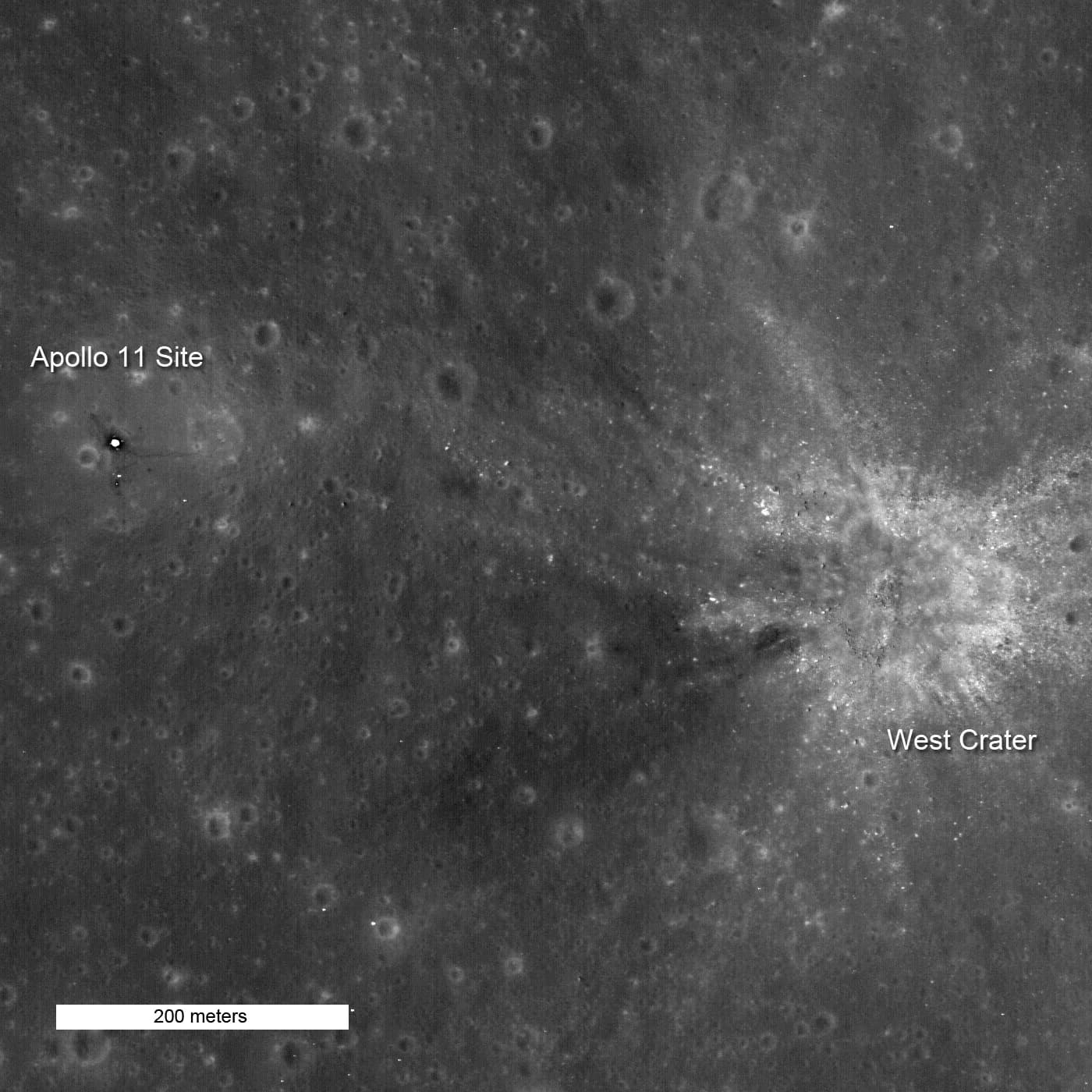
Can a consumer telescope see the hardware left on the Moon?
No Earth-based consumer telescope resolves meter-scale hardware. Lunar orbiters can, and the scale difference is measurable.
Inspect the case02Source-heavyFile open
Does the Moon's density or seismic behavior imply a hollow shell?
Apollo impacts produced long seismic codas, but strong scattering and low attenuation explain the record without requiring a hollow shell.
Inspect the case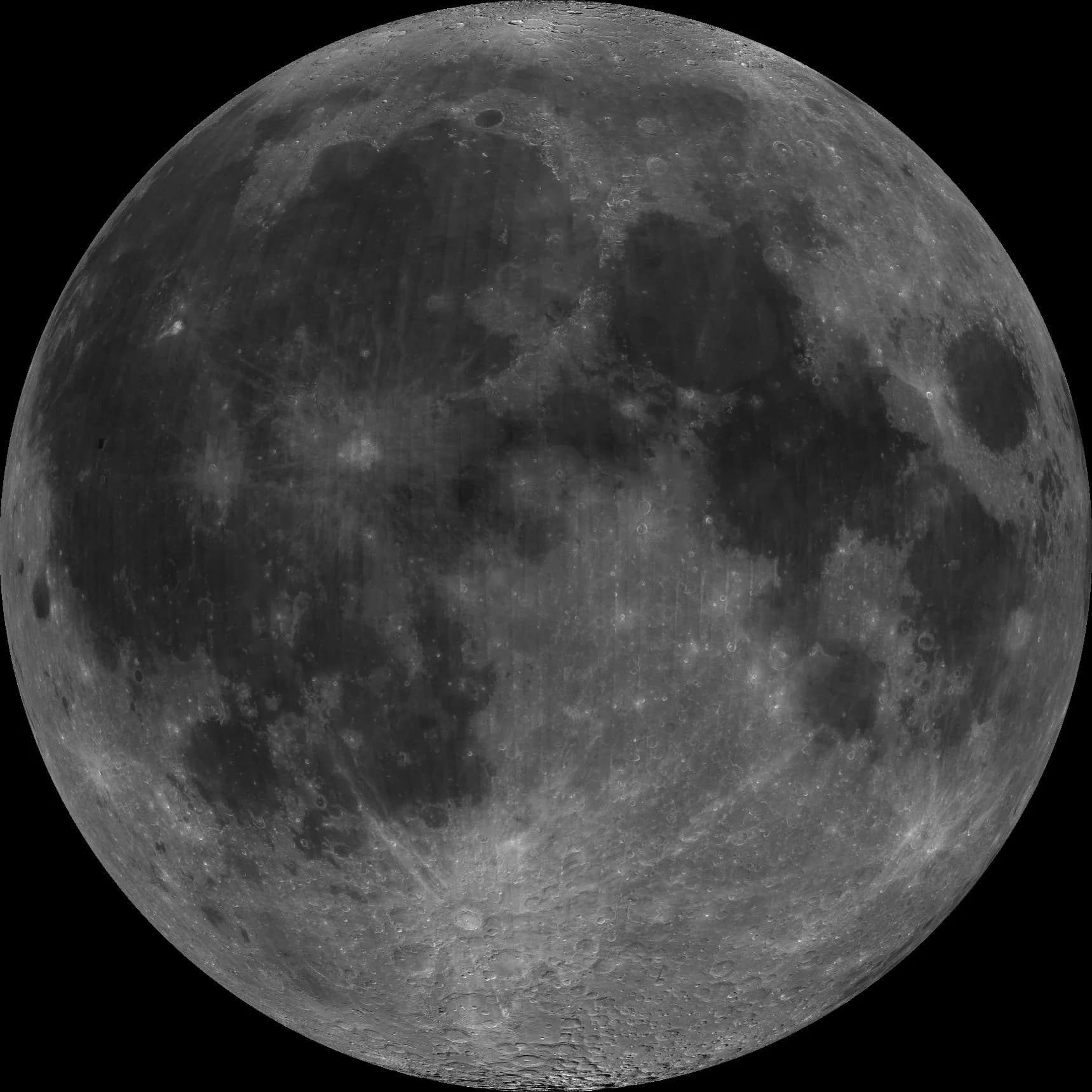 03
03GeometricFile open
Do lunar maria encode the shape of Earth's continents?
Visual resemblance is easy to create. A useful version of the claim needs fixed geometry and predictions made in advance.
Inspect the case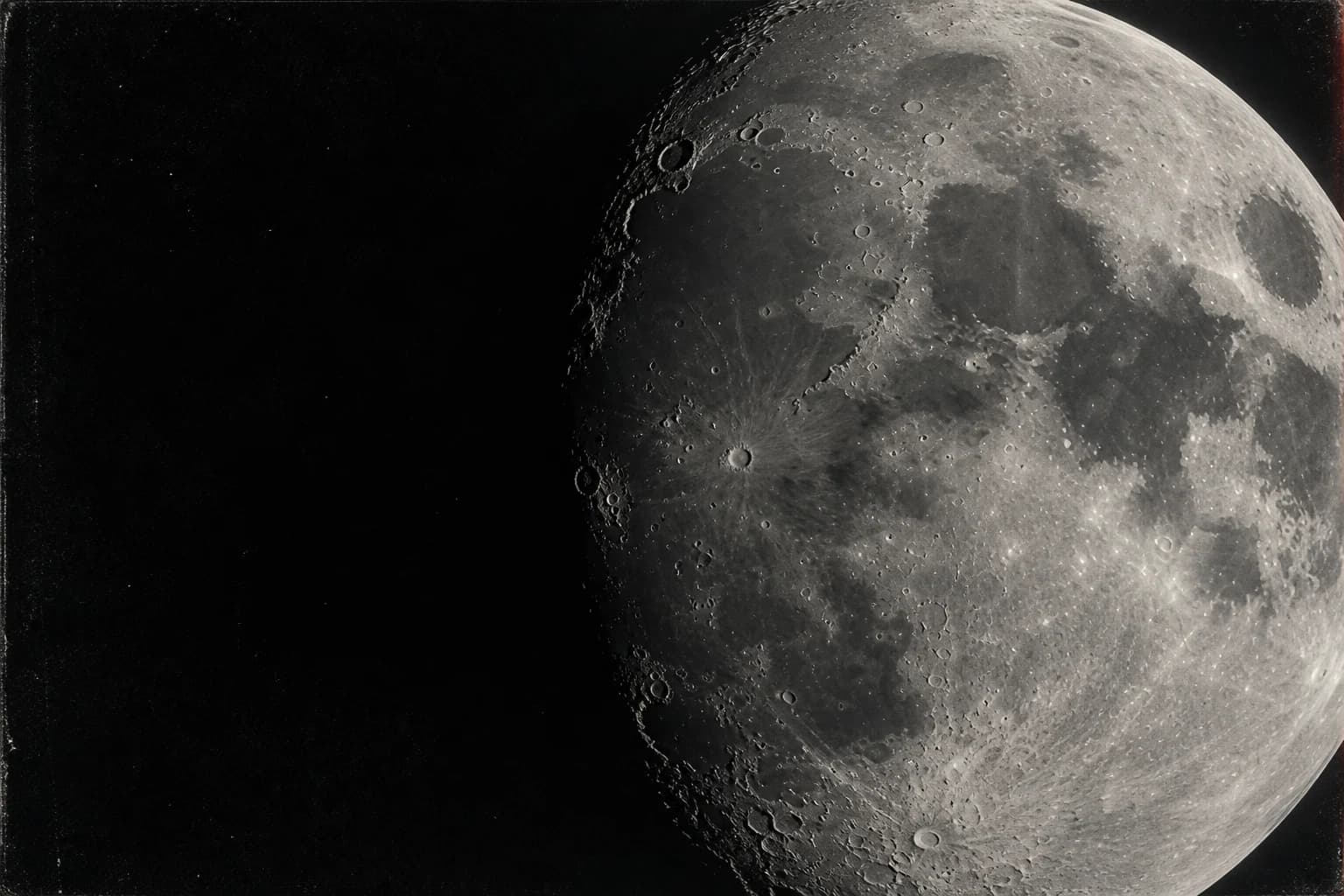 04
04Open questionFile open
Have observers recorded real short-lived lights or color changes?
Some flashes are real impacts. A specific report still needs timing, fixed position, signal shape, and independent corroboration.
Inspect the case05ObservableFile open
What do phases, parallax, and eclipses actually constrain?
Simultaneous observations from separated locations can test distance, direction, and shadow geometry directly.
Inspect the case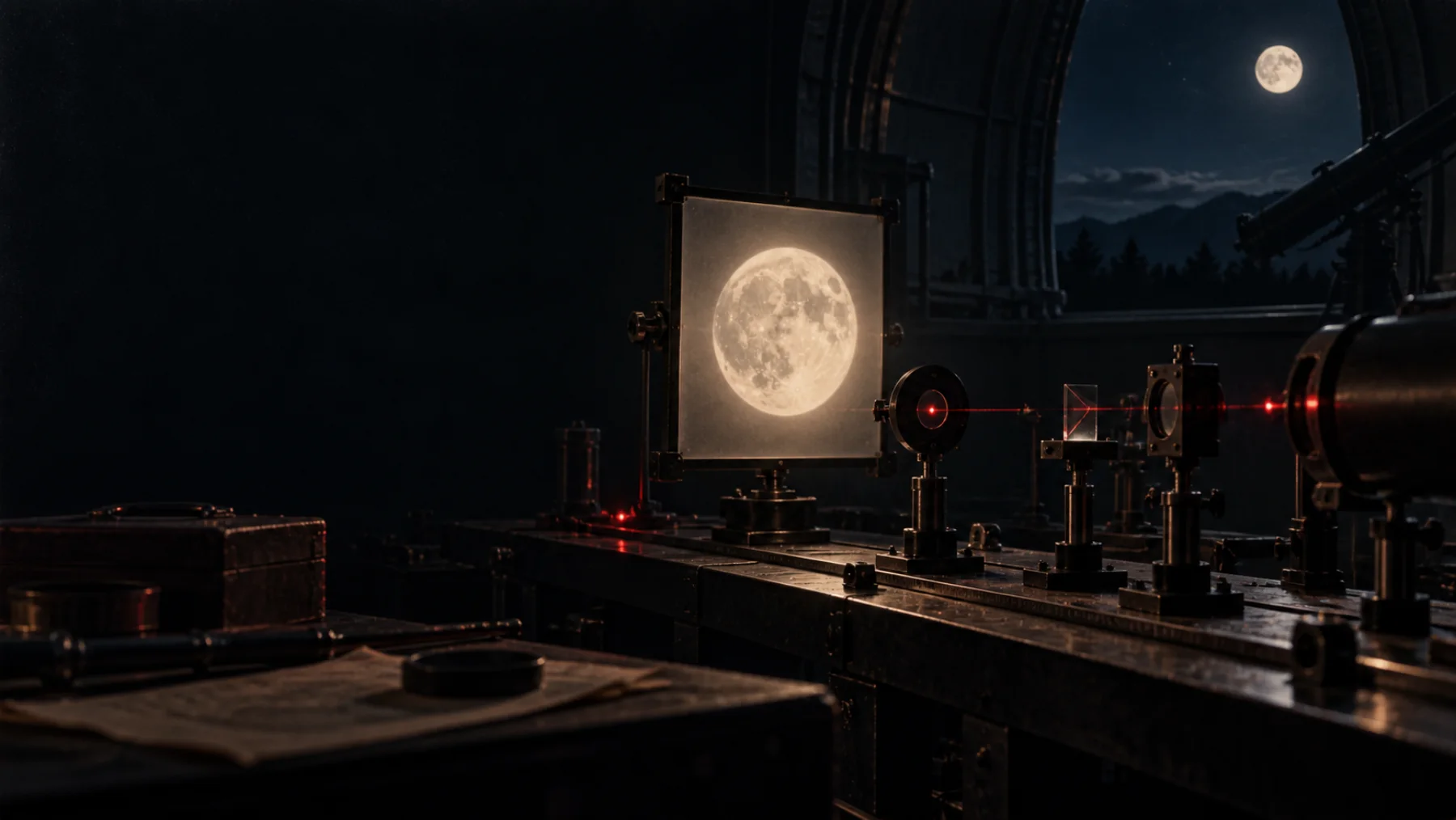 06
06Open questionFile open
Could the Moon be an image, hologram, or projection rather than a physical body?
A simple nearby image conflicts with parallax, occultations, libration, and signal ranging; surviving versions must add a lunar-range physical system.
Inspect the case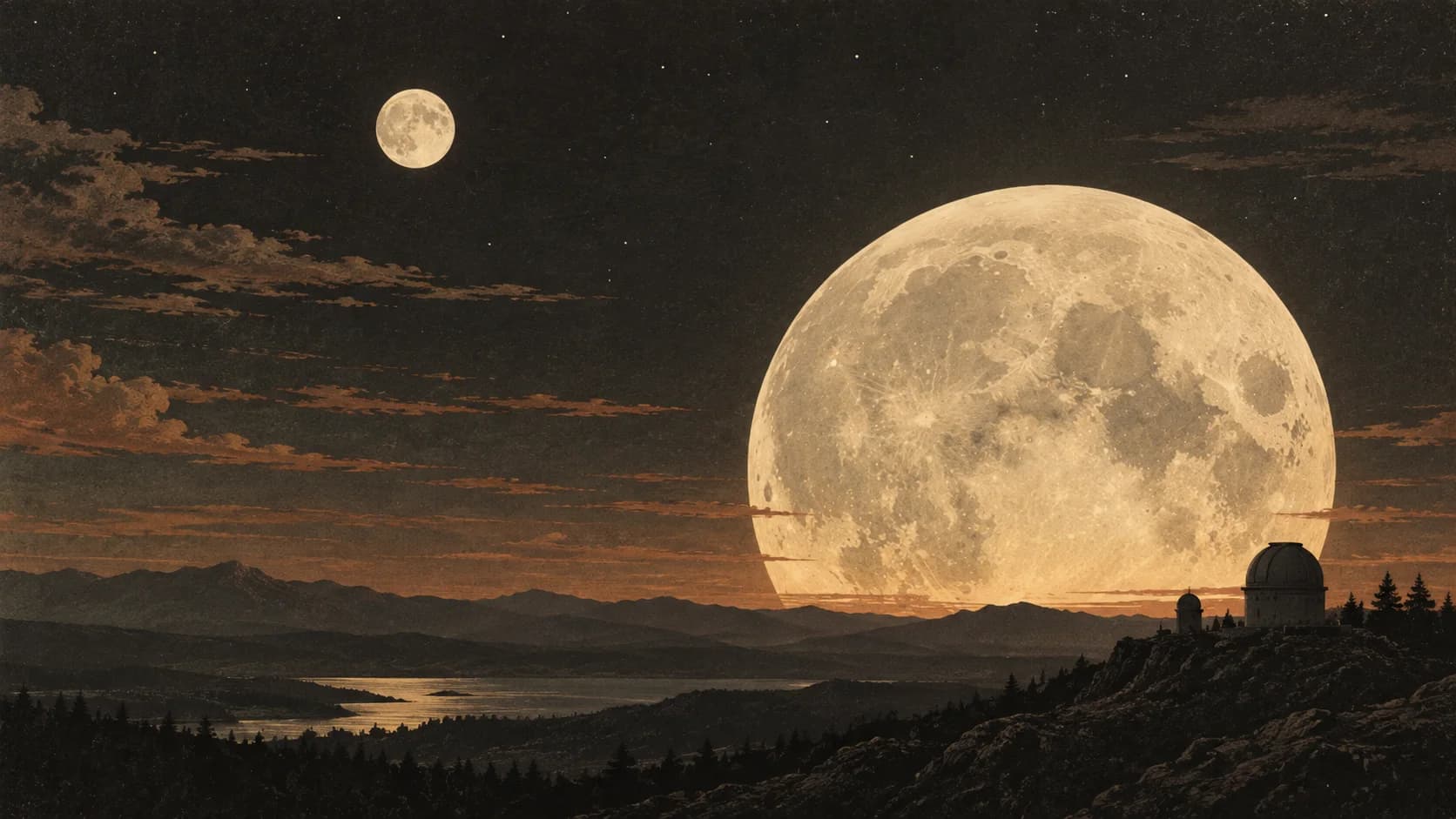 07
07ObservableFile open
Why does the horizon Moon look enormous?
The perceived enlargement is real, but same-scale photographs usually preserve the Moon's horizontal diameter. The full perceptual mechanism remains debated.
Inspect the case08Source-heavyFile open
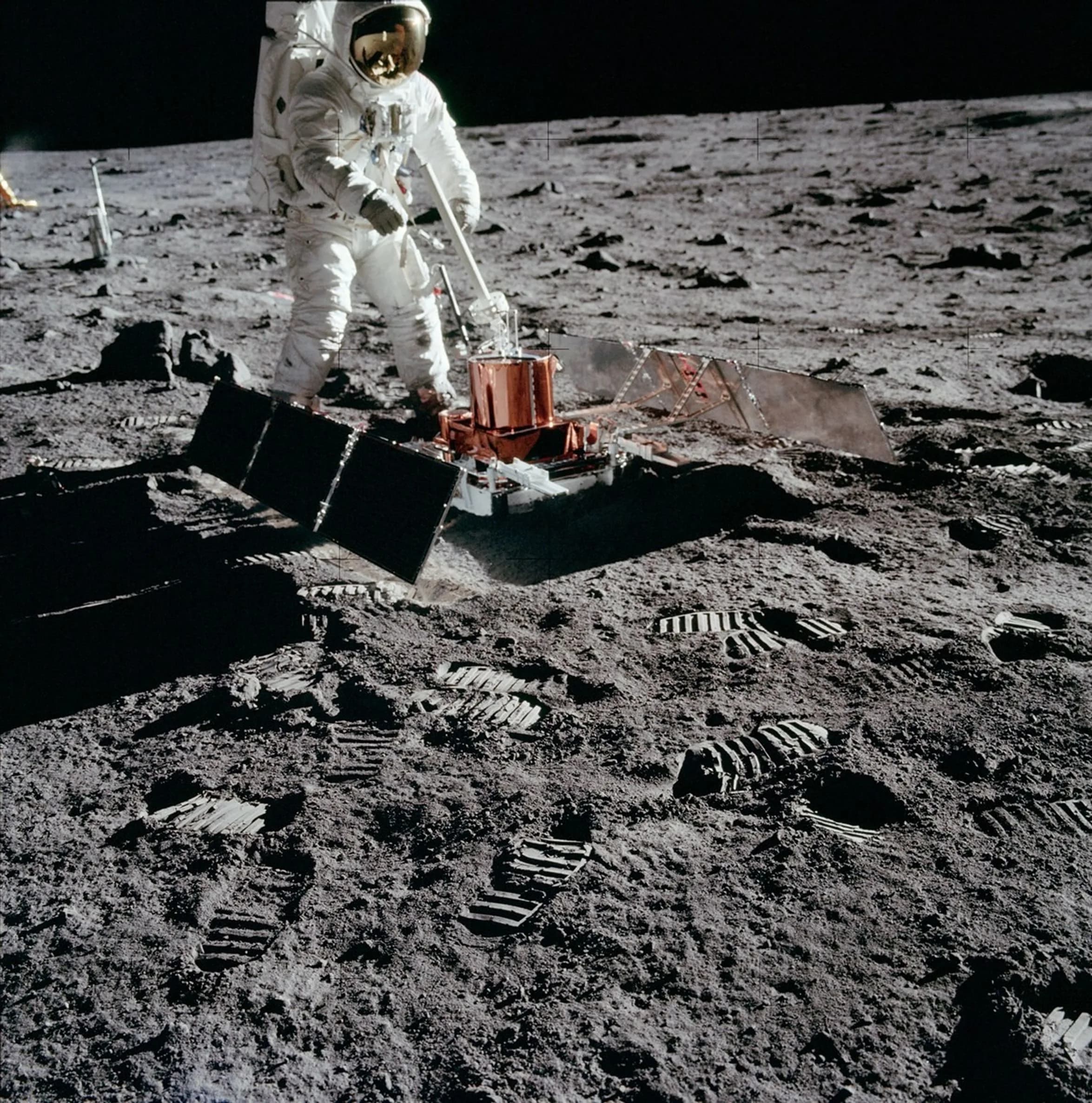
Do missing stars, crosshairs, and angled shadows show that Apollo photographs were staged?
Short exposures explain missing stars; calibrated reseau marks and shadow geometry require original-frame and 3D checks. Each effect is reproducible without a studio.
Inspect the caseOn the research desk.
Queued files stay visible so the scope is clear before a conclusion is written.
Field work
Some claims belong under the sky.
Match an observation goal, location, and budget to a practical route. No product is presented as proof.
Build an observation kit